Central Baptist Church / Journal
Unlocking Business Potential with State-of-the-Art Concrete Mixing Plants
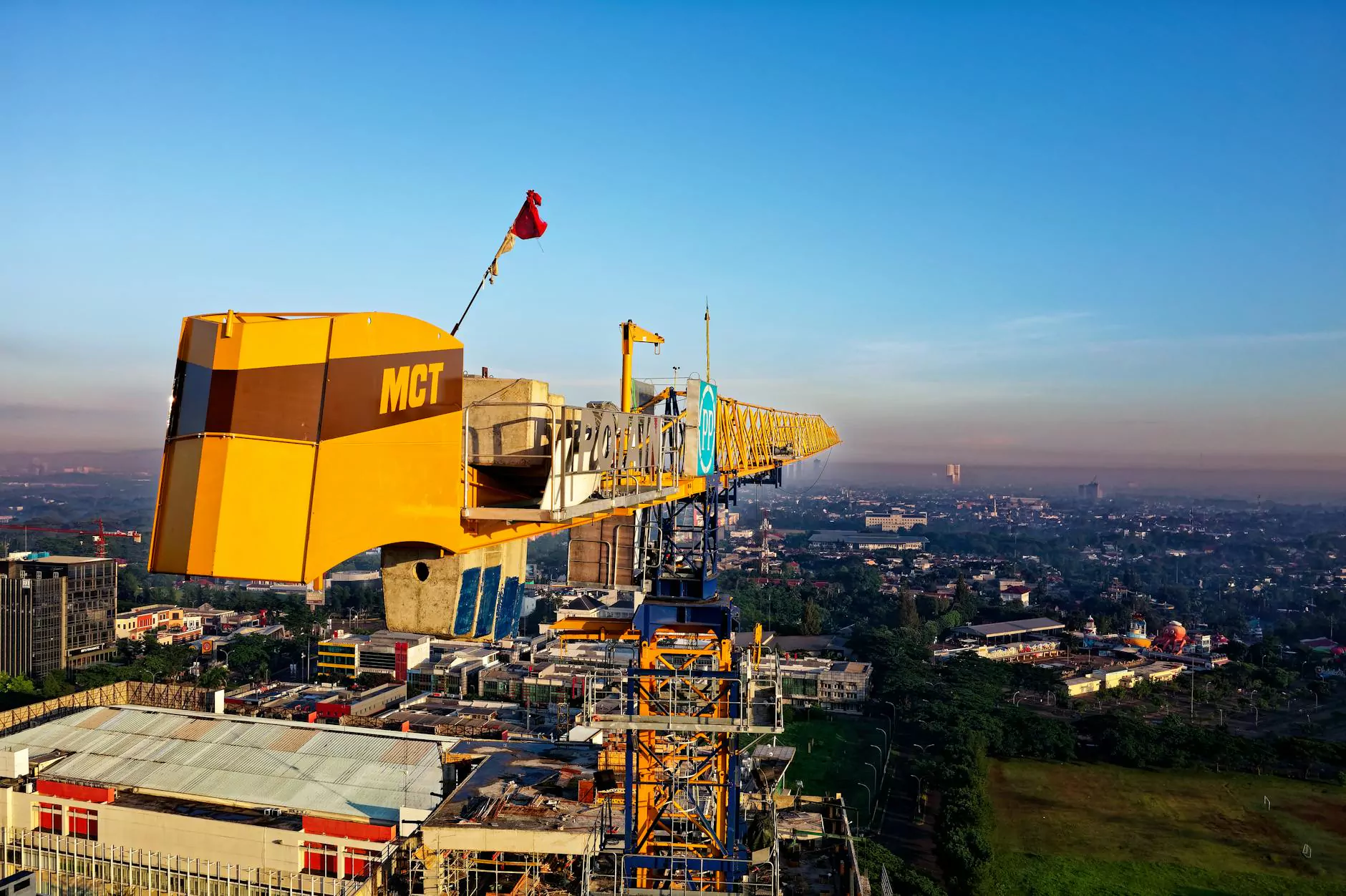
In today's rapidly evolving construction and manufacturing industries, innovation and efficiency are paramount to gaining a competitive edge. Among the technological advancements that have revolutionized these sectors, concrete mixing plants stand out as fundamental assets driving productivity, quality, and sustainability. Whether you are expanding an existing business or launching a new venture, understanding the significance of concrete mixing plants and their multifaceted benefits is essential.
What is a Concrete Mixing Plant? An Essential Asset for Modern Business
A concrete mixing plant, also known as a batching plant, is a sophisticated facility designed to produce high-quality concrete efficiently and reliably. It combines various ingredients such as cement, water, aggregates, and additives, mixing them in precise proportions to meet specific construction requirements. Modern concrete mixing plants are engineered to enhance operational speed, maintain consistent product quality, and reduce waste, making them invaluable for large-scale construction projects, precast manufacturing, and infrastructure development.
Key Components and Types of Concrete Mixing Plants
Core Components of a Concrete Mixing Plant
- Mixing Drum or Mixer: The core component where all ingredients are combined uniformly.
- Aggregate Batcher: Stores and batches various sizes of aggregates required for the concrete recipe.
- Cement Silo: Stores cement safely and provides controlled discharge into the mixing process.
- Conveyors and Feeders: Transport raw materials from storage to the mixer efficiently.
- Control System: An automated interface that manages batching, mixing, and dispatching processes.
- Weighing System: Ensures accurate measurement of all materials, guaranteeing consistent concrete quality.
Types of Concrete Mixing Plants
- Stationary Concrete Plants: Designed for large-scale production with a fixed installation. Ideal for urban construction projects, precast factories, and infrastructure development.
- Mobile Concrete Plants: Compact and transportable, suitable for projects requiring on-site concrete production with flexibility.
- Compact Concrete Plants: Space-efficient models combining all necessary components for small to medium projects, ideal for limited site areas.
- High-Performance Fixed Plants: Equipped with advanced automation and precision technology for premium quality and high-volume output.
Advantages of Integrating Concrete Mixing Plants into Your Business
1. Unmatched Production Efficiency and Speed
Traditional concrete mixing methods often rely on manual batching or small mixers, which limit output and prolong project timelines. Concrete mixing plants utilize automated batching systems that significantly accelerate production cycles, enabling companies to meet tight project deadlines. With high-capacity mixers and rapid batching technology, businesses can produce large quantities of concrete with minimal labor, optimizing operational efficiency.
2. Consistent Quality Control for Superior Concrete
One of the paramount benefits of a concrete mixing plant is its ability to maintain uniformity in every batch. Precise weighing and automated control systems reduce human error, ensuring that each batch complies with predetermined specifications. Consistency in concrete quality directly translates to durability, safety, and adherence to environmental standards, ultimately reinforcing a company's reputation for excellence.
3. Flexibility and Customization for Diverse Projects
Modern concrete mixing plants come with programmable mixers that can adapt to various formulations—ranging from standard concrete to customized mixes such as high-strength, rapid-set, or lightweight concrete. This adaptability is invaluable for catering to diverse project needs, whether in commercial construction, highway development, or specialized manufacturing sectors.
4. Cost Savings and Waste Reduction
Automation and precise batching not only improve quality but also significantly reduce raw material wastage. Less waste means lower material costs and a better environmental footprint. Additionally, high-speed production minimizes labor expenses and reduces downtime, enhancing overall profitability.
5. Enhanced Environmental Sustainability
Advanced concrete mixing plants incorporate environmentally friendly features such as dust collection systems, water recycling units, and low-emission components. Investing in these systems aligns your business with global sustainability initiatives, attracts environmentally conscious clients, and ensures regulatory compliance.
How a Concrete Mixing Plant Boosts Business Growth
Expanding Market Opportunities
With reliable concrete mixing plants, businesses can take on larger projects and diversify their service offerings. The ability to produce high-volume, consistent concrete opens doors to lucrative government contracts, international projects, and long-term partnerships. Moreover, the scalability of these plants allows for future expansion without significant overhaul, making them a strategic investment for sustained growth.
Improving Supply Chain Reliability
Increased control over concrete production means less dependency on third-party suppliers. This autonomy ensures supply chain stability, reduces delays, and enhances project scheduling accuracy. Companies that own concrete mixing plants gain a competitive advantage by delivering on-time and maintaining high standards throughout their operations.
Enhancing Brand Reputation and Client Trust
Delivering consistent, high-quality concrete builds trust with clients, contractors, and regulatory bodies. A reputation for reliability and superior product quality can differentiate your business in a crowded marketplace. Additionally, adopting the latest concrete technology demonstrates a commitment to innovation and sustainability, reinforcing your brand position.
Technological Innovations Driving the Future of Concrete Mixing Plants
Automation and IoT Integration
Future-ready concrete mixing plants integrate automation and Internet of Things (IoT) technologies for real-time monitoring, diagnostics, and predictive maintenance. These innovations minimize downtime, optimize batch accuracy, and streamline operations, keeping your business ahead of competitors.
Eco-Friendly and Sustainable Solutions
The shift towards eco-friendly concrete production involves the development of carbon-neutral cement alternatives, water recycling systems, and renewable energy-powered plants. These advancements not only reduce environmental impact but also qualify your business for green certifications and incentives, opening new market segments.
Heavy-Duty Customization and Modular Designs
Modular concrete mixing plants allow businesses to tailor setups according to specific project demands. This flexibility facilitates phased expansion, or reconfiguration for different types of concrete production, providing a versatile operational base that evolves with market requirements.
Choosing the Right Concrete Mixing Plant for Your Business
Assessing Capacity and Output
Estimate your typical project volume to select a plant with appropriate capacity. Oversized plants may incur unnecessary costs, while undersized units could hinder growth. Strategic planning ensures efficient resource utilization and future scalability.
Considering Automation and Control Features
Emphasize advanced automation systems with user-friendly interfaces, remote operation capabilities, and integrated data analytics to maximize productivity and ease of management.
Prioritizing Sustainability and Compliance
Opt for plants that incorporate eco-friendly features and meet all relevant environmental standards. This focus not only reduces operational costs but also enhances corporate responsibility profiles.
Partnering with Experienced Manufacturers
Choose suppliers like polygonmach.com that provide comprehensive support, after-sales service, and customization options. Reliable partnerships ensure the longevity and optimal performance of your investment.
Conclusion: The Strategic Business Impact of Concrete Mixing Plants
In conclusion, integrating a concrete mixing plant into your business infrastructure is more than just acquiring machinery—it's a strategic move that significantly enhances operational efficiency, product quality, and market competitiveness. By leveraging advanced technology, sustainability, and automation, businesses can unlock new growth opportunities, reduce costs, and cement their reputation as industry leaders.
As the construction and manufacturing industries continue to evolve, staying at the forefront of technological innovation with the right concrete mixing plant ensures your enterprise remains resilient, profitable, and environmentally responsible. Explore the world of possibilities with a trusted partner like PolygonMach, renowned for delivering high-quality, customizable, and reliable concrete mixing solutions that propel your business to new heights.